Frustrated Frank: Episode 1
Printing at home can give us a lot of unwanted frustration. Let us deal with the issues. Look at how Frank deals with some of the more common printer problems in the comic below.


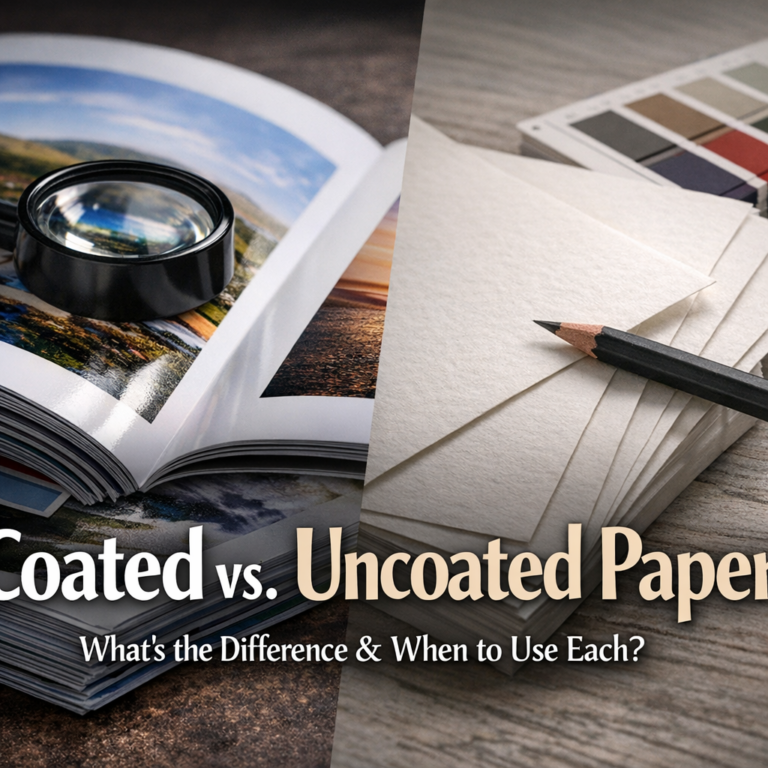
Coated paper is paper substrate treated with a surface layer of clay coating (typically kaolin and calcium carbonate with latex binder) that creates a smooth, sealed surface for enhanced ink holdout and color vibrancy. Uncoated paper lacks this surface treatment, leaving the natural paper fibers exposed, which creates a more porous, textured surface that absorbs ink…
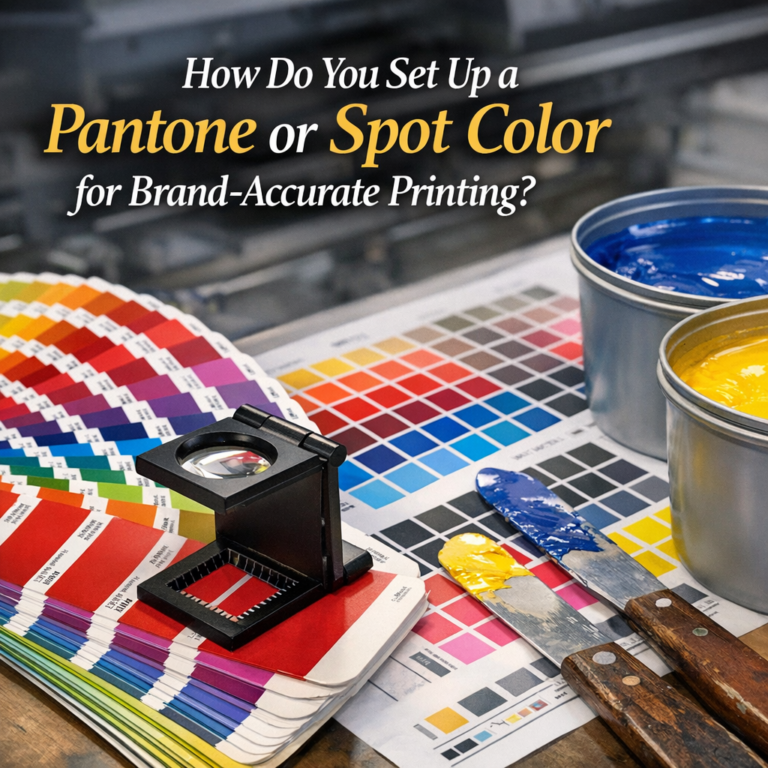
Setting up a Pantone spot color ensures exact color reproduction for brand identity colors across all printed materials. This standardized color system provides a universal color language between graphic designers and commercial printers. According to the Pantone Matching System (PMS), properly specified spot colors achieve 95-98% color accuracy compared to 70-85% accuracy with CMYK process…
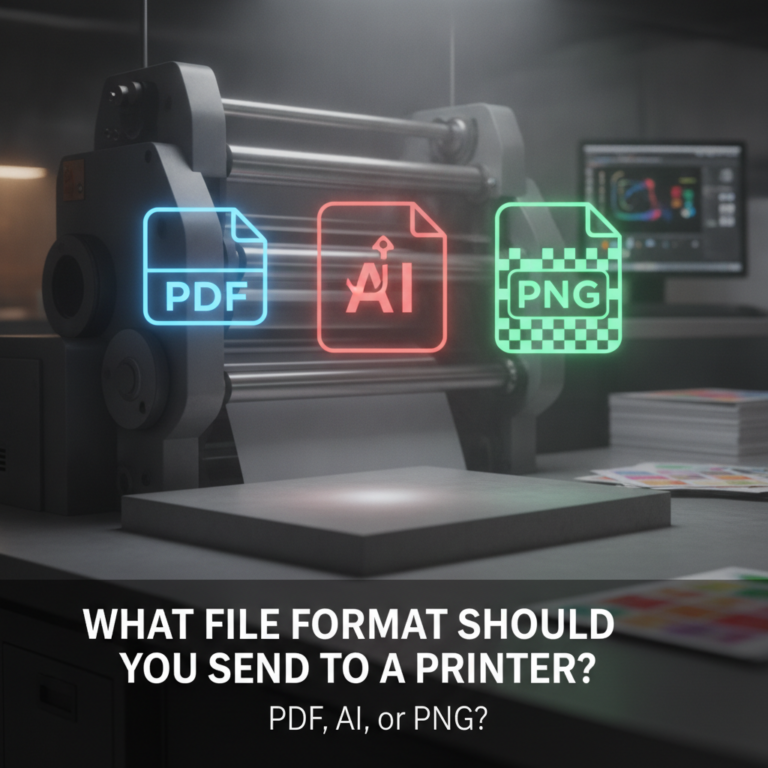
The best file format for printing is PDF (Portable Document Format), which serves as the universal standard for commercial printing as of 2025. PDF files preserve color profiles, embed fonts, maintain layout integrity, and work seamlessly across all printing presses and prepress workflows, making them the preferred choice for print shops worldwide. Why Print File Formats Matter…
Replica Embraces Eco-Friendly Printing Sustainable Printing Practices: Reducing Replica’s Environmental Footprint in the Digital Age The act of creating a physical product in today’s digital world, particularly a printed piece, can draw skepticism from environmentally-minded parties. Adding to the concern is the fact that most paper comes from trees, which are an important component of…
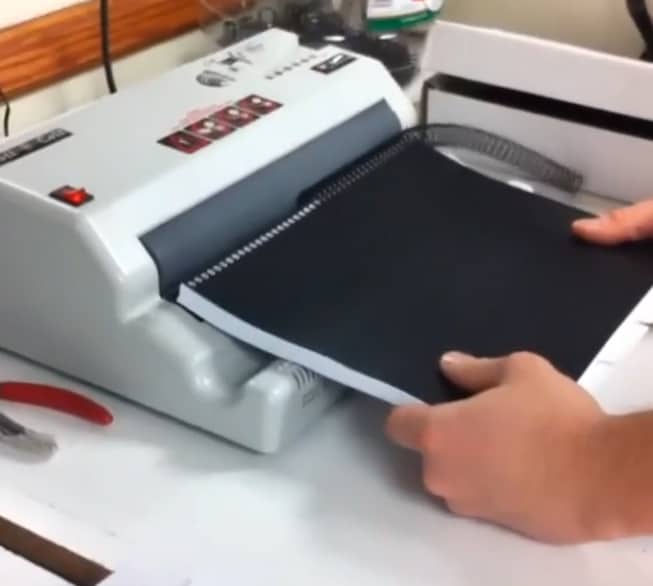
At Replica Printing we provide our customers the opportunity for all components of finishing services, which includes lamination, binding, folding, and mounting. Picture this, you’ve just finished planning your print job. You know what you need printed and how much of it you need printed. You place your order with your local print company when you…
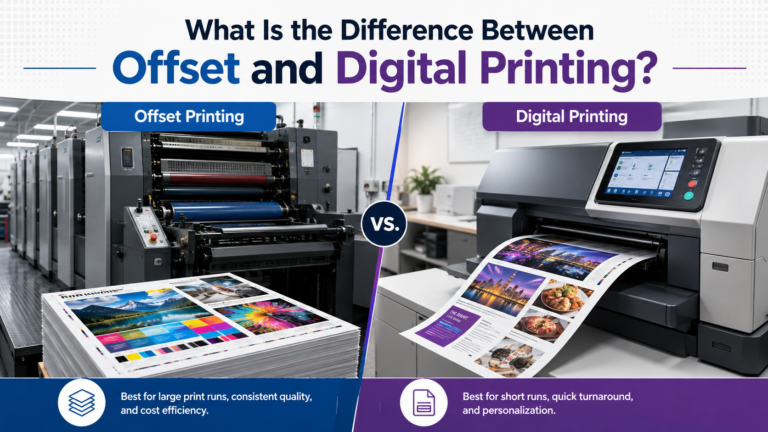
Offset printing uses printing plates and rubber blankets to transfer ink onto substrate through lithography, whereas digital printing applies toner or ink directly from a computer file without plates. The fundamental difference between offset and digital printing lies in setup requirements and cost structure: offset printing requires plate preparation and higher setup costs but offers…