How to Choose the Right Paper Stock for Printing: Professional Guide to Paper Selection and Print Quality
Selecting the appropriate printing substrate stands as one of the most critical decisions in achieving professional printing results. The paper stock you choose fundamentally impacts color reproduction, print durability, and overall visual impact of your project. Whether you are creating marketing materials, business cards, or catalogs, understanding paper characteristics ensures your investment delivers the desired return. This comprehensive guide will navigate you through the technical requirements and practical considerations essential for optimal paper choice in commercial printing applications.
The printing industry offers an extensive array of paper types, each engineered for specific applications and printing methods. From understanding paper weight measurements to evaluating coating options, the selection process requires knowledge of how different paper properties interact with various printing techniques. Professional print production managers and graphic designers recognize that the foundation of exceptional print quality begins with appropriate stock selection criteria that align with project objectives and budget parameters.
Paper Weight and Thickness Measurements Define Print Substrate Density

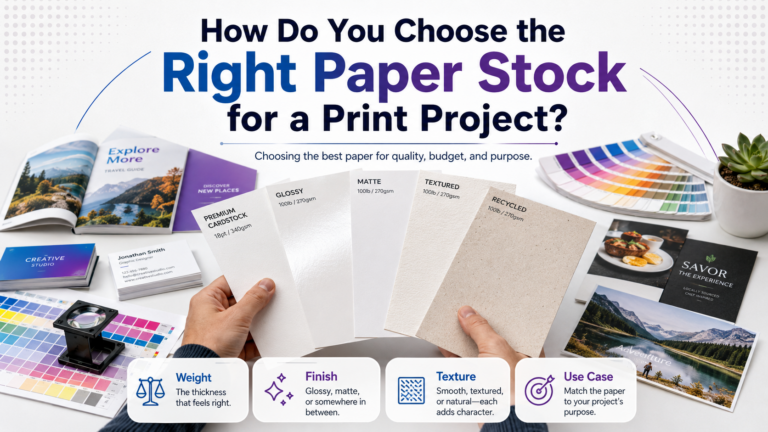
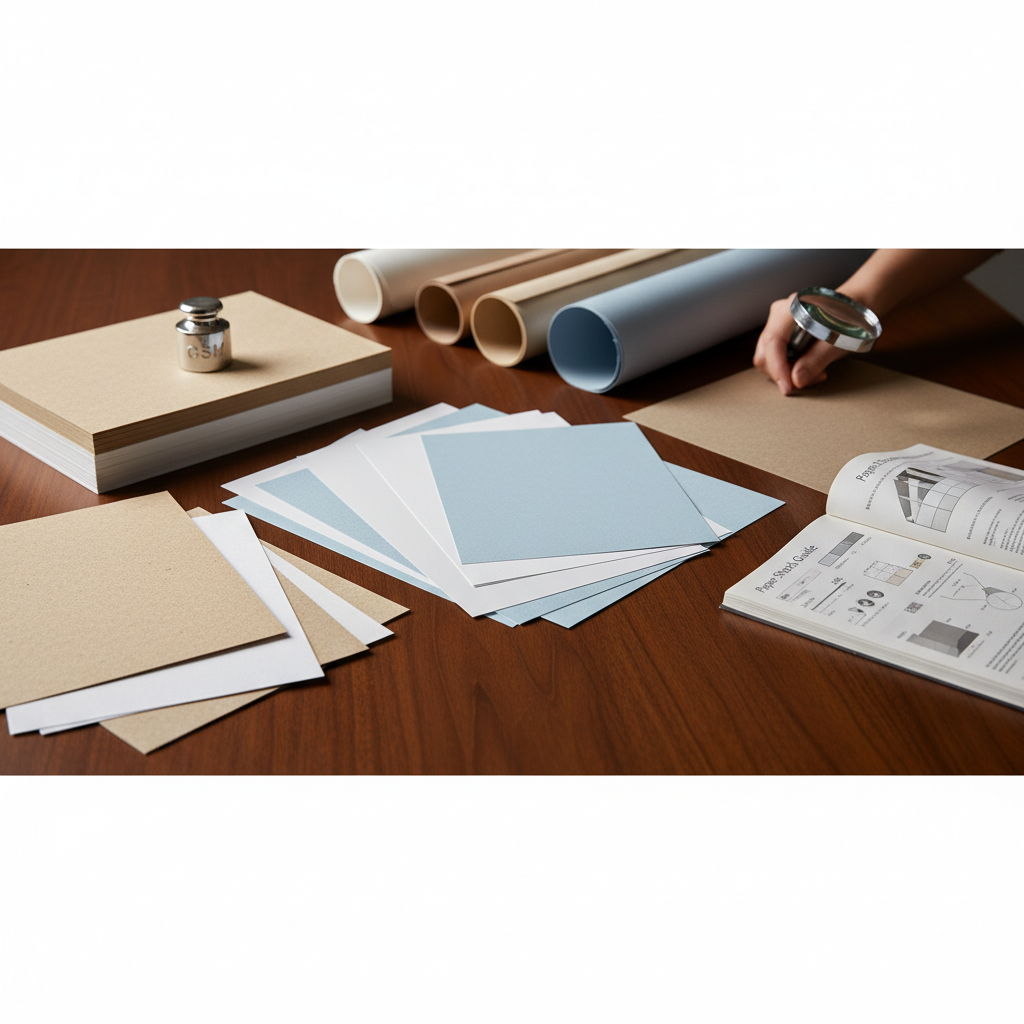
Understanding how to choose the right paper stock for printing begins with comprehending weight measurements that determine paper density and perceived quality. The industry employs two primary measurement systems: basis weight (measured in pounds for North American markets) and GSM (grams per square meter) for international standards. These measurements indicate the weight of paper based on a standard sheet size, with higher numbers representing thicker, more substantial stock that conveys professionalism and durability.
Paper thickness directly influences how your printed materials feel and perform in practical applications. Text weight paper typically ranges from 60 to 100 pounds (90-150 GSM) and proves ideal for letterhead, newsletters, and multi-page documents requiring flexibility. Cover stock, measuring 80 to 140 pounds (216-378 GSM), provides the rigidity necessary for business cards, postcards, and brochure covers. Caliper measurements, expressed in points thickness (one point equals 0.001 inches), offer precise thickness specifications crucial for specialized printing applications.
What GSM Weight Should You Choose for Different Print Projects?
The selection of appropriate stock weight depends entirely on the intended application and handling requirements of your printed materials. For standard business correspondence and internal documents, 75-90 GSM bond paper provides cost-effectiveness while maintaining professional appearance. Marketing brochures typically utilize 150-200 GSM text weight paper, offering sufficient body to showcase color vibrancy without excessive bulk that increases postage costs.
Premium applications demand heavier stock weights that communicate quality through tactile experience. Wedding invitations and luxury branding materials often employ 250-350 GSM cardstock, providing the substantial feel that recipients associate with high-value communications. Magazine covers generally require 200-250 GSM coated paper, balancing visual impact with practical durability during distribution and shelf display.
Paper Finish and Coating Options Determine Surface Characteristics
The surface treatment applied to printing paper fundamentally affects ink absorption, color saturation, and the tactile quality of finished prints. Coated paper features a mineral coating that creates a smooth printing surface, enhancing color reproduction and image sharpness by minimizing ink absorption into paper fibers. Uncoated paper retains its natural paper texture, offering superior writability and a more organic aesthetic that many brands prefer for certain communications.
Within coated paper categories, finish types range from high-gloss to subtle satin variations. Glossy finish delivers maximum color vibrancy and contrast, making it the preferred choice for photography portfolios, product catalogs, and materials requiring visual impact. Matte finish provides reduced glare while maintaining excellent print clarity, proving ideal for reading-intensive materials like annual reports and educational publications. Satin finish strikes a balance between these extremes, offering enhanced color reproduction with minimal reflectivity.
How Do Coating Options Affect Print Quality and Color Accuracy?
The coating applied to paper stock significantly influences how ink interacts with the printing surface, directly impacting dot gain and color accuracy in the CMYK color model. Coated papers minimize ink absorption, resulting in ink holdout that produces sharper dots and more precise color reproduction. This characteristic proves essential when converting RGB color model designs to print, as the coating helps achieve colors that closely match digital proofs.
Uncoated papers absorb ink into their fiber structure, creating a softer appearance that some designers deliberately select for natural, approachable aesthetics. This ink absorption increases dot gain, slightly darkening printed colors and reducing contrast compared to coated alternatives. Understanding these surface smoothness variations allows print production managers to adjust color profiles and ink densities, ensuring consistent results across different paper grades.
Printing Method Compatibility Determines Suitable Paper Selection

Different printing technologies impose specific technical requirements on paper performance, making method compatibility a crucial selection factor. Offset printing, the traditional commercial printing standard, accommodates the widest range of paper types and weights, from lightweight text sheets to heavy cover stock. Digital printing technologies, including laser printing and inkjet printing, require papers engineered with coatings and sizing that prevent toner adhesion issues and ink bleeding.
Sheet-fed printing systems handle heavier stock weights and specialty papers more effectively than web presses designed for high-volume publication printing. When consulting with your print shop or paper supplier, clearly communicate your chosen printing method to ensure recommended stocks perform optimally. Many paper mills now manufacture papers specifically formulated for digital equipment, addressing heat sensitivity and static concerns that affect print quality on electronic printing systems.
Which Paper Types Work Best for Digital vs. Offset Printing?
Offset printing demonstrates versatility with both coated and uncoated papers across extensive weight ranges, as the indirect transfer method accommodates various surface characteristics. This flexibility allows offset printers to utilize specialty papers including textured stocks, metallic sheets, and recycled paper options without significant performance concerns. The process excels at maintaining consistent color reproduction across long print runs on standard paper grades.
Digital printing requires papers with specific surface treatments that interact properly with toner or liquid ink systems. Laser printer compatible papers feature heat-resistant coatings that prevent toner adhesion failures during the fusing process. Inkjet compatible papers incorporate coatings engineered to absorb liquid inks at controlled rates, preventing bleeding while maintaining color saturation. Always verify paper certification for your specific digital printing equipment to avoid costly production failures.
Paper Brightness, Opacity, and Whiteness Levels Impact Visual Results
The optical properties of printing substrates significantly influence how colors appear and how effectively paper prevents show-through in duplex printing applications. Brightness rating, measured on a scale from 1 to 100, indicates how much light the paper reflects, with higher numbers producing more vibrant color reproduction. Premium printing papers typically feature brightness ratings above 92, enhancing color vibrancy and creating visual contrast that makes text and images more legible.
Opacity refers to paper’s ability to prevent images or text from showing through to the reverse side, crucial for double-sided printing. Higher paper bulk and density generally improve opacity levels, though specialized fillers and manufacturing processes can enhance this property without increasing thickness. Whiteness, distinct from brightness, measures the shade of white on the color spectrum, ranging from warm cream tones to cool blue-white finishes that affect overall color perception.
Why Do Brightness and Opacity Matter for Professional Prints?
Brightness directly affects color saturation and the perceived quality of printed images, particularly in marketing materials where visual impact drives engagement. Papers with brightness ratings below 90 may appear dull, diminishing the vibrancy of CMYK colors and reducing the professional appearance of business communications. High-brightness stocks make colors appear more vivid and create stronger contrast between printed elements and paper substrate.
Opacity becomes critical when producing multi-page documents, catalogs, or any materials featuring duplex printing. Insufficient opacity creates distracting show-through that reduces readability and appears unprofessional. Most quality printing applications require opacity levels above 90%, achieved through appropriate paper weight selection or specialized manufacturing that incorporates opacity-enhancing fillers without excessive thickness increases.
Environmental Considerations and Paper Certification Standards
Sustainability concerns increasingly influence paper stock selection as organizations align purchasing decisions with environmental values and corporate responsibility initiatives. Recycled paper options now achieve quality levels comparable to virgin paper while reducing environmental impact through decreased forest harvesting and lower manufacturing energy consumption. FSC certification verifies that paper originates from responsibly managed forests, providing third-party validation of sustainable sourcing practices.
Acid-free paper ensures archival quality by preventing the chemical degradation that causes yellowing and brittleness over time. This characteristic proves essential for documents requiring long-term preservation, including legal records, certificates, and archival publications. ISO standards provide internationally recognized benchmarks for paper quality, environmental impact, and manufacturing consistency that guide professional paper evaluation.
How Can You Balance Quality with Environmental Responsibility?
Modern recycled papers eliminate the performance compromises historically associated with environmentally conscious options, offering brightness, whiteness, and print quality matching premium virgin stocks. Many paper merchants now stock recycled alternatives across complete weight ranges and finish types, enabling sustainable choices without sacrificing professional results. Communicating your environmental printing preferences strengthens brand values while meeting increasing consumer expectations for corporate responsibility.
Paper certification from recognized organizations provides verified environmental credentials that add value to your printed communications. FSC, PEFC, and other certification systems offer different validation levels, from sustainable forestry to carbon-neutral manufacturing. Selecting certified stocks allows you to prominently display environmental badges on printed materials, reinforcing your commitment to sustainability with stakeholders and customers who prioritize these values.
Paper Selection Criteria Summary and Print Specifications Checklist
Successful paper selection requires balancing multiple factors including project budget, intended application, printing method, and desired aesthetic impact. Begin by defining print specifications that address weight requirements, coating preferences, and environmental considerations before consulting with paper suppliers or printer manufacturers. Request print samples on shortlisted stocks to evaluate how your specific designs perform on different substrates before committing to production quantities.
Working collaboratively with graphic designers and commercial printing professionals ensures your paper choice aligns with technical requirements and creative objectives. Professional printers provide valuable guidance on paper performance characteristics, helping you avoid costly mistakes while identifying opportunities to enhance results within budget constraints. The investment in appropriate stock selection pays dividends through superior print quality, reduced rejection rates, and finished materials that effectively communicate your message.
| Paper Category | Weight Range | Common Applications | Coating Options |
|---|---|---|---|
| Bond Paper | 60-90 GSM | Letterhead, Forms, Office Documents | Uncoated |
| Text Weight Paper | 90-150 GSM | Brochures, Newsletters, Flyers | Coated & Uncoated |
| Cover Stock | 216-350 GSM | Business Cards, Postcards, Folder Covers | Gloss, Matte, Satin |
| Cardstock | 250-400 GSM | Invitations, Premium Cards, Packaging | Various Finishes |
What Are the Essential Questions When Selecting Paper Stock?
Before finalizing paper selection, address these critical questions with your print production manager or paper merchant: What printing method will be used? What is the intended use and expected lifespan of the printed materials? Does the project require specific environmental certifications? What budget constraints influence stock options? How will the paper’s tactile quality support your brand messaging? Answering these questions systematically ensures your selection supports both technical requirements and strategic communication objectives.
Additionally, consider practical distribution factors including postage weight, folding requirements, and handling durability. Heavier stocks increase mailing costs but convey premium quality that justifies the investment for high-value communications. Papers with appropriate grain direction fold cleanly without cracking, essential for brochures and folders. Testing samples under actual use conditions reveals performance characteristics that specifications alone cannot communicate.
| Paper Property | Impact on Print Results | Measurement Standard |
|---|---|---|
| Brightness | Color vibrancy and contrast | 1-100 scale |
| Opacity | Show-through prevention | Percentage (85-99%) |
| Smoothness | Image sharpness and detail | Sheffield or PPS units |
| Caliper | Thickness and bulk perception | Points (0.001 inches) |
Frequently Asked Questions
What is the difference between paper weight measurements in pounds versus GSM?
Basis weight in pounds measures paper weight based on a ream (500 sheets) of a specific base sheet size, which varies by paper category (text, cover, bond). GSM (grams per square meter) provides a universal measurement representing the weight of one square meter of paper, making it easier to compare papers across categories and international markets. A 100 lb cover stock equals approximately 270 GSM, while 80 lb text weight equals about 118 GSM.
Should I choose glossy or matte finish for marketing brochures?
Glossy finish works best for image-heavy brochures showcasing products or photography, as it maximizes color saturation and visual impact. Matte finish excels for text-intensive brochures and professional services marketing, offering superior readability without glare and a sophisticated aesthetic. Consider your brand positioning and content balance when selecting between these options, or choose satin finish as a versatile middle ground.
How does paper choice affect printing costs?
Paper typically represents 30-50% of total printing costs, making stock selection a significant budget factor. Heavier weights, specialty coatings, and premium finishes increase per-sheet costs substantially. Additionally, paper weight affects shipping costs for distributed materials and may impact postage rates for direct mail campaigns. Balancing quality perception with budget constraints requires evaluating the return on investment for your specific application.
Can recycled paper match the quality of virgin paper stocks?
Modern recycled papers achieve brightness, whiteness, and print quality comparable to virgin stocks through advanced manufacturing processes. Premium recycled options now offer 90+ brightness ratings and excellent opacity across standard weight ranges. While subtle texture differences may exist, these characteristics often enhance rather than diminish perceived quality, particularly for brands emphasizing environmental responsibility. Always request samples to evaluate specific recycled stocks for your application.
What paper weight should I use for business cards?
Professional business cards typically use 14-16 point cardstock (approximately 280-350 GSM), providing the substantial feel that conveys quality and durability. Thinner stocks feel flimsy and unprofessional, while excessively thick options may not fit standard cardholders. The 14-point standard offers optimal balance between perceived quality and practical functionality, though premium applications may justify 16-18 point stocks for enhanced differentiation.
How do I ensure my chosen paper works with my printer?
Consult your printer manufacturer’s specifications for supported paper weights, types, and finishes before purchasing stock. Digital printers have more restrictive requirements than offset presses, particularly regarding coating types and heat resistance. Request test runs on your shortlisted papers before production quantities, and verify that your paper supplier guarantees compatibility with your specific printing equipment. Professional print shops provide guidance on optimal paper selections for their equipment capabilities.
Selecting appropriate paper stock transforms ordinary printing projects into professional communications that effectively represent your brand and message. The investment in understanding paper characteristics, weight measurements, coating options, and printing method compatibility pays substantial dividends through superior results and reduced production issues. Take time to evaluate samples, consult with printing professionals, and align paper selection with your project objectives and budget parameters.
We encourage you to share your paper selection experiences and questions in the comments below. What challenges have you encountered when choosing printing substrates? Which paper characteristics matter most for your applications? Your insights help fellow professionals navigate the complex landscape of paper selection and achieve optimal printing results for their projects.