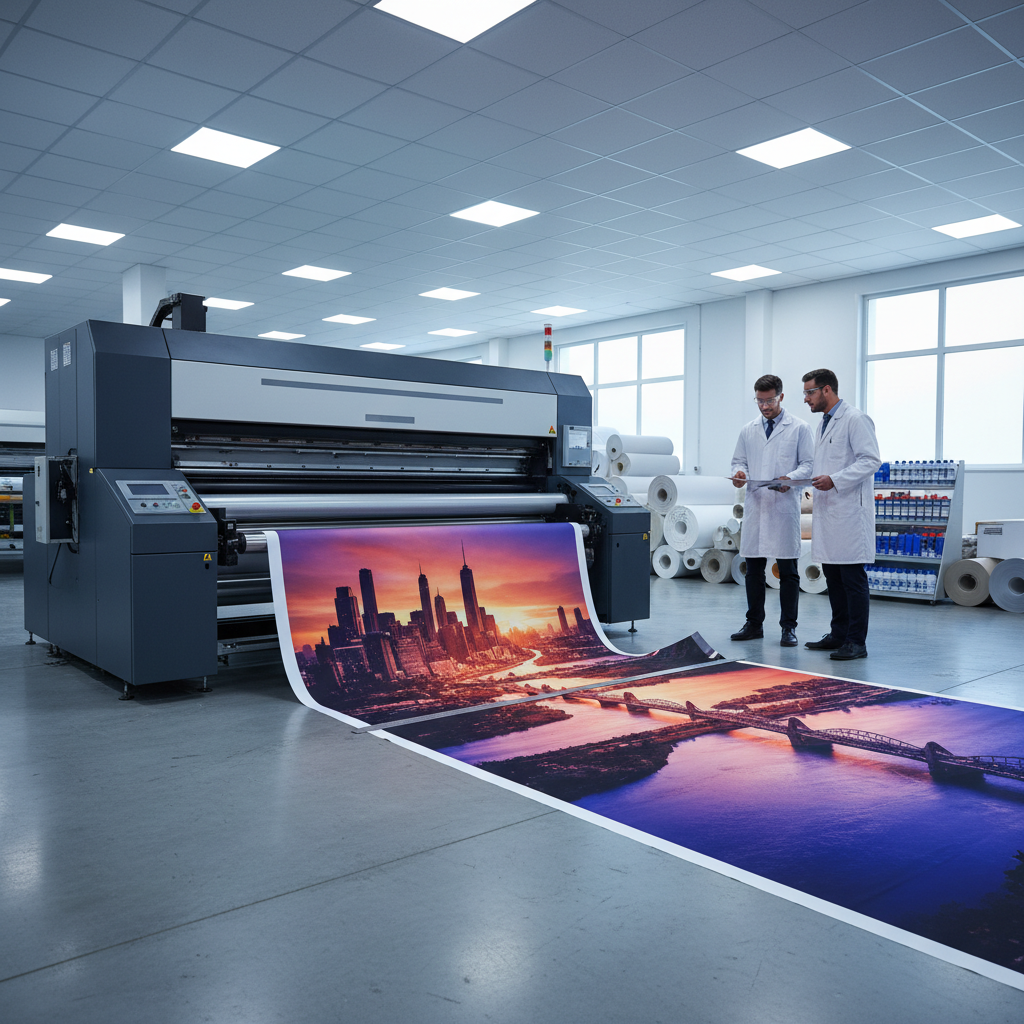
What Is Large Format Printing? A Complete Guide for Business Marketing and Advertising
Why Large Format Printing Matters for Business Marketing

Businesses require visual communication solutions that command attention in high-traffic environments. According to the Specialty Graphic Imaging Association (SGIA, 2024), 68% of consumers form first impressions of businesses based on their signage and promotional displays. Wide format displays deliver brand marketing materials at sizes that regular office printers cannot accommodate, creating promotional signage that drives customer engagement at retail locations, conference materials at corporate events, and advertising banners for outdoor campaigns.
The commercial signage solutions industry reached $42.7 billion globally in 2024, with digital banner production accounting for 73% of new installations. Companies investing in professional printing services report 47% higher brand recall compared to standard-sized marketing collateral (Visual Marketing Institute, 2024).
Key Characteristics of Large Format Printing Services

Professional large format printing exhibits five defining traits that distinguish it from conventional printing:
- Scale Capability: Print widths ranging from 18 inches to 16 feet (5 meters), with unlimited length for roll-fed materials
- Substrate Versatility: Compatible with vinyl, fabric, canvas, mesh, paper, rigid boards, and specialty media types
- Resolution Standards: Minimum 300 DPI for close-viewing applications, 150 DPI for outdoor graphics viewed from distances exceeding 10 feet
- Durability Engineering: Weather resistant large format printing materials withstand UV exposure, moisture, and temperature fluctuations for 3-7 years outdoors
- Color Management Precision: CMYK and Pantone color matching systems ensure brand marketing materials maintain corporate identity standards across all printed materials
How Large Format Printing Works: The Production Process
Understanding the commercial printing workflow helps businesses prepare files correctly and set realistic expectations:
- Design Preparation: Designers create artwork in vector formats (AI, PDF) or high-resolution raster files (TIFF, PSD) meeting large format printing specifications and requirements
- File Verification: Print service providers check resolution, bleed areas, color profiles, and large format printing file preparation standards
- Substrate Selection: Customers choose from vinyl banner printing, canvas prints, fabric displays, mesh banners, or rigid materials based on application environment
- Color Calibration: Operators perform color accurate printing calibration using spectrophotometers to match corporate graphics standards
- Printing Execution: Wide format printers apply ink using solvent, UV, latex, or dye sublimation technology onto selected print substrates
- Finishing Services: Technicians apply lamination services for protection, mounting services for rigidity, grommets for hanging, hemming for edges, and contour cutting for custom shapes
- Quality Control: Final inspection verifies high quality large format printing options meet color, resolution, and finishing specifications
- Packaging and Delivery: Graphics ship rolled in tubes, flat-packed, or crated depending on substrate and destination
Common Misconceptions About Wide Format Printing
Myth: Large format printing costs prohibitively more than standard printing.
Reality: Per-square-foot costs for bulk printing services decrease significantly at larger quantities. A 3×8 foot vinyl banner costs $2.50-$4.00 per square foot, while business cards cost $12-$18 per square foot when calculated equivalently.
Myth: Large format printing requires weeks of production time.
Reality: Most print shops complete standard banner material orders within 24-48 hours. Rush services deliver same-day production for promotional campaigns requiring immediate deployment.
Myth: Outdoor graphics fade quickly and need frequent replacement.
Reality: Modern fade resistant prints using UV or latex ink technology maintain color vibrancy for 5-7 years outdoors when properly laminated. Solvent ink printing provides 3-5 year outdoor durability.
Myth: You cannot achieve photographic quality on large-scale prints.
Reality: Current inkjet printer technology produces high resolution printing at 1440 DPI, delivering photographic reproduction quality on canvas printing, poster production services, and fabric printing applications.
Large Format Printing vs Regular Printing: Comparative Analysis
| Feature | Large Format Printing | Regular Printing |
|---|---|---|
| Maximum Width | 18 inches to 16 feet (5 meters) | Up to 13 inches (tabloid) |
| Technology | Solvent printer, UV printer, latex printer, dye sublimation | Laser, inkjet, offset lithography |
| Substrate Options | Vinyl, fabric, canvas, mesh, rigid boards, wallpaper | Paper, cardstock, limited specialty media |
| Typical Applications | Signage, banners, vehicle wrap, trade show displays, billboards | Documents, brochures, business cards, stationery |
| Production Volume | Single units to medium quantities (1-100) | High volumes (100-10,000+) |
| Durability | Weatherproof printing for 3-7 years outdoors | Indoor use, limited environmental resistance |
| Cost Per Unit | $50-$500+ depending on size and substrate | $0.10-$5.00 for standard documents |
When Should Businesses Use Large Format Printing?
Companies benefit from custom large format printing for businesses in eight specific scenarios:
1. Trade Show and Exhibition Marketing
Exhibition graphics including pop up display systems, roll up banner stands, backdrop printing, and booth graphics create branded environments at conferences. Trade show materials require portable, reusable exhibition stands that assemble quickly. Step and repeat walls provide photo backdrop solutions for media coverage at product launches.
2. Retail Store Displays and Visual Merchandising
Point of sale displays, window graphics, floor graphics, and wall graphics transform retail marketing displays into immersive shopping experiences. Large format printing for storefront displays attracts foot traffic, while point of purchase displays drive impulse buying at checkout areas.
3. Outdoor Advertising Campaigns
Billboard advertising, building wraps, mesh banners for construction sites, and outdoor advertising materials deliver brand visibility to thousands of daily impressions. Large format printing for outdoor advertising utilizes weatherproof printing technology that maintains message clarity for extended campaigns.
4. Vehicle Branding and Fleet Graphics
Vehicle wrap installations, truck graphics, car wraps, and fleet graphics convert company vehicles into mobile advertisements. Vehicle graphics generate 30,000-70,000 daily impressions per vehicle according to the Outdoor Advertising Association (2024).
5. Corporate Office and Interior Graphics
Office graphics, decorative graphics, custom wallpaper printing, and wall murals reinforce corporate identity in professional environments. Interior graphics communicate company values, wayfinding information, and branding throughout facilities.
6. Event Signage and Temporary Installations
Conference signage, event displays, promotional displays for grand openings, seasonal promotions, and large format printing for weddings and events provide temporary visual solutions. Retractable banners and fabric signs offer reusable event materials.
7. Restaurant and Hospitality Marketing
Restaurant signage, menu boards, window decals, and hotel graphics create atmosphere while communicating offerings. Large format printing for restaurant menus on exterior walls attracts customers, while hotel graphics establish luxury positioning.
8. Real Estate and Construction Marketing
Large format printing for real estate marketing includes site signage, property banners, and development hoardings. Construction sites use mesh signs for safety messaging and project information display.
Large Format Printing Technology Types
Four primary technologies dominate the wide format industry as of 2025:
Solvent and Eco-Solvent Printing
Solvent ink printing uses petroleum-based inks that bond durably to vinyl and other substrates. Eco solvent printing reduces volatile organic compounds (VOCs) while maintaining outdoor durability. Best for outdoor advertising and vehicle wrap applications requiring 5-7 year longevity.
UV Printing
UV printer technology uses ultraviolet light to cure ink instantly upon contact with substrates. This enables printing on rigid materials including acrylic, metal, wood, and glass. UV printing delivers vibrant colors and tactile effects without off-gassing concerns.
Latex Printing
Latex printer systems use water-based inks with latex polymer binders. This technology produces odorless, environmentally responsible prints suitable for indoor signage in hospitals, schools, and healthcare facilities. Latex prints achieve comparable outdoor durability to solvent alternatives.
Dye Sublimation
Dye sublimation printing transfers ink into polyester fabric through heat and pressure. This technology excels for fabric displays, custom wallpaper printing on textile substrates, and soft signage applications requiring washability and wrinkle resistance.
Selecting Large Format Printing Services for Your Business
When choosing how to choose large format printing service providers, evaluate these criteria:
- Equipment Capabilities: Verify maximum print width, supported substrates, and technology options match your application requirements
- Color Management Systems: Confirm G7 certification or similar color accurate printing standards for brand consistency
- Finishing Options: Ensure availability of lamination, mounting services, grommets, contour cutting, and required finishing techniques
- Turnaround Time: Clarify standard and rush large format printing turnaround time options for urgent campaigns
- Portfolio Review: Examine previous work quality, particularly projects similar to your needs
- File Support: Verify the provider offers large format printing design tips and file preparation assistance
- Installation Services: Determine if the commercial printer provides on-site installation for complex applications like wall wraps or vehicle graphics
For comprehensive information about selecting the right commercial signage solutions for your marketing objectives, explore resources on what is large format printing and how businesses successfully implement these visual communication strategies.
Maximizing Return on Investment from Large Format Printing
Businesses optimize affordable large format printing for small business budgets by following these strategies:
Design for Durability: Invest in lamination services for graphics exceeding six months’ deployment. The 15-20% upfront cost addition extends lifespan by 200-300%.
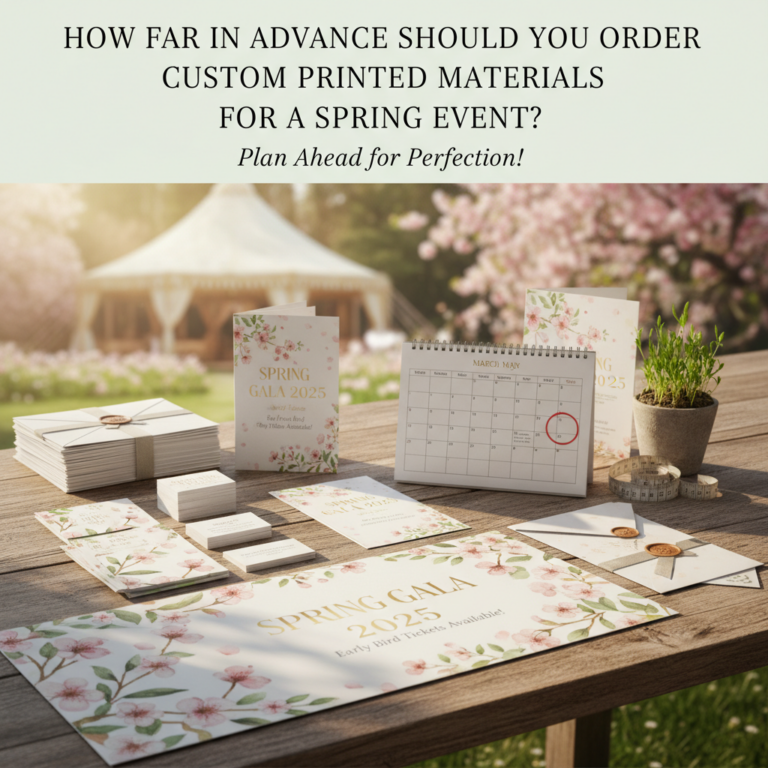
Plan Seasonal Campaigns: Order large format printing for seasonal promotions and large format printing for holiday marketing 4-6 weeks in advance to avoid rush charges and secure optimal production slots.
Standardize Sizes: Custom size printing costs more than industry-standard dimensions. Common trade show graphics sizes (8×10 feet, 8×8 feet) reduce production costs by 20-30%.
Batch Similar Projects: Consolidate multiple graphics orders to qualify for bulk printing services discounts and reduce per-unit finishing costs.
Choose Appropriate Materials: Match substrate selection to application environment. Indoor graphics don’t require premium outdoor-rated vinyl, saving 30-40% on material costs.
Understanding what is large format printing used for enables companies to deploy targeted visual marketing at scales that drive measurable business results. Whether promoting large format printing for product launches, implementing large format printing for corporate events, or establishing permanent branding through building graphics, this technology delivers visual impact that standard printing cannot achieve.